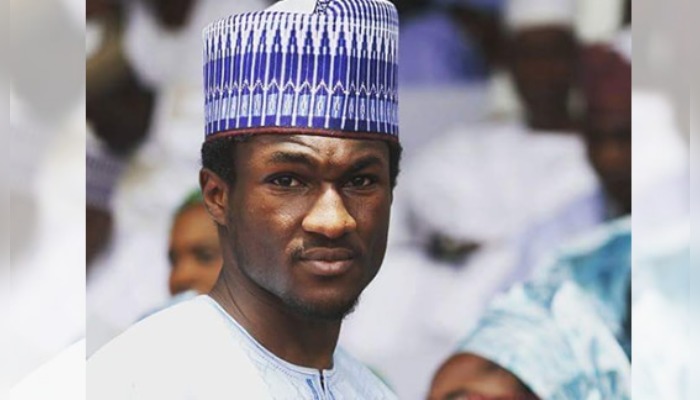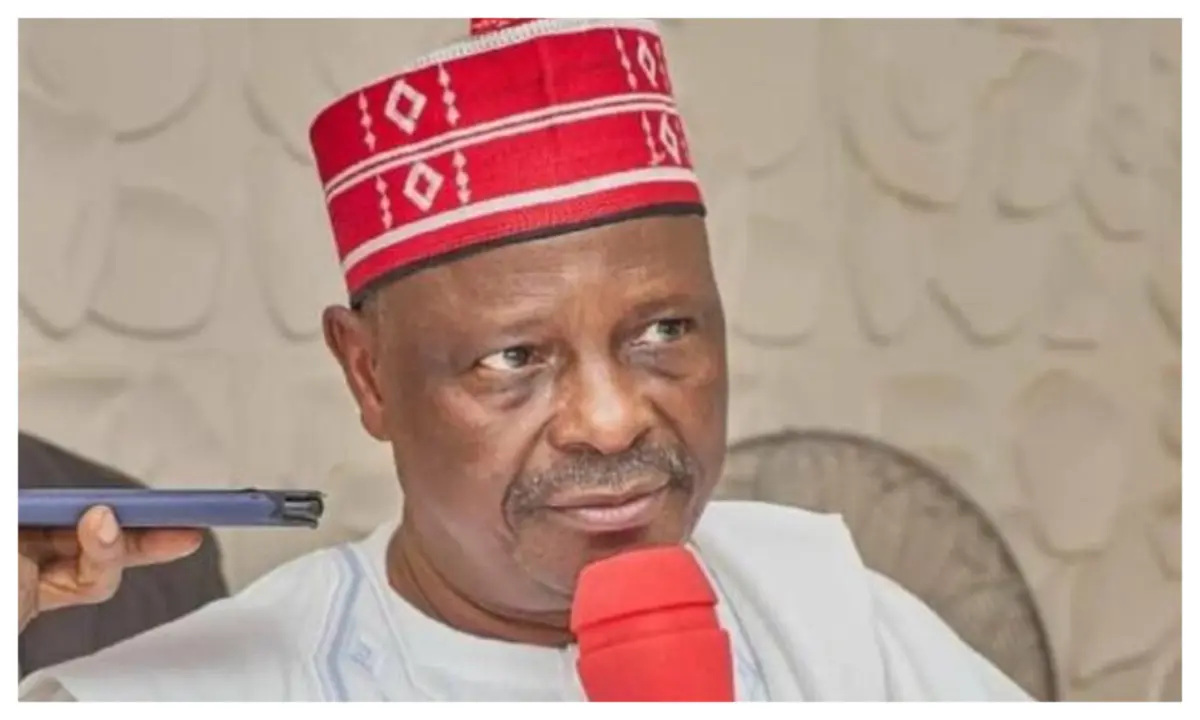
In a politically charged and strategically significant development that has sent immediate ripples across Kano State’s already volatile political landscape, a prominent Kwankwasiyya movement leader, Abdullahi, has formally resigned from the African Democratic Congress (ADC) in Kano — acting on the direct and express orders of the movement’s supreme leader and New Nigeria Peoples Party (NNPP) chieftain, Senator Rabiu Musa Kwankwaso.
The resignation, which was executed swiftly and decisively in a manner consistent with the discipline and loyalty that have long characterised the Kwankwasiyya movement’s internal command structure, marks a defining moment in the ongoing political repositioning of Kwankwaso’s formidable political machinery ahead of the 2027 general elections — and raises immediate and pointed questions about the movement’s next destination and the strategic calculations driving its latest political pivot.
Abdullahi’s resignation from the ADC in Kano effectively signals the withdrawal of a significant slice of Kwankwasiyya-aligned political capital from the already crisis-ridden opposition party — a blow that comes at a particularly difficult moment for the ADC, which is still in the process of rebuilding its structures and restoring its organisational credibility following the prolonged and damaging leadership crisis that culminated in the Supreme Court’s landmark ruling and INEC’s subsequent formal recognition of the David Mark-led faction.
The fact that the resignation was executed on the direct orders of Senator Kwankwaso himself underscores the centralised and tightly controlled nature of Kwankwasiyya political decision-making — a movement in which the Senator’s word carries the weight of unquestioned authority among loyalists across Kano State and beyond.
Political analysts in Kano and across Northern Nigeria are already speculating about where Kwankwaso intends to direct the movement’s political energies following the ADC exit — with some observers suggesting that the resignation could be a precursor to a fresh realignment, a return to or deeper consolidation within the NNPP, or potentially an exploratory flirtation with one of the major parties ahead of 2027.
For Kano State’s political dynamics — already defined by fierce competition between the APC, NNPP, PDP, and other parties — the Kwankwasiyya movement’s ADC exit adds a fresh and unpredictable dimension to an already complex and rapidly evolving pre-election landscape.
Senator Kwankwaso is yet to personally address the media on the reasons and strategic motivations behind his directive for Abdullahi’s resignation at the time of filing this report. Party and movement sources are expected to provide further clarification in the coming hours and days.
CDA News Nigeria will continue to monitor and report all developments surrounding the Kwankwasiyya movement’s political repositioning and Kano State’s evolving 2027 electoral dynamics.
All rights reserved ©2026 CDA News Nigeria.
For news tips or inquiries, contact us at info@cdanews.ng or visit our headquarters at 348 Ikwerre Road, Port Harcourt, Rivers State. CDA News Nigeria is committed to protecting your privacy — your data is never shared with third parties without explicit consent.