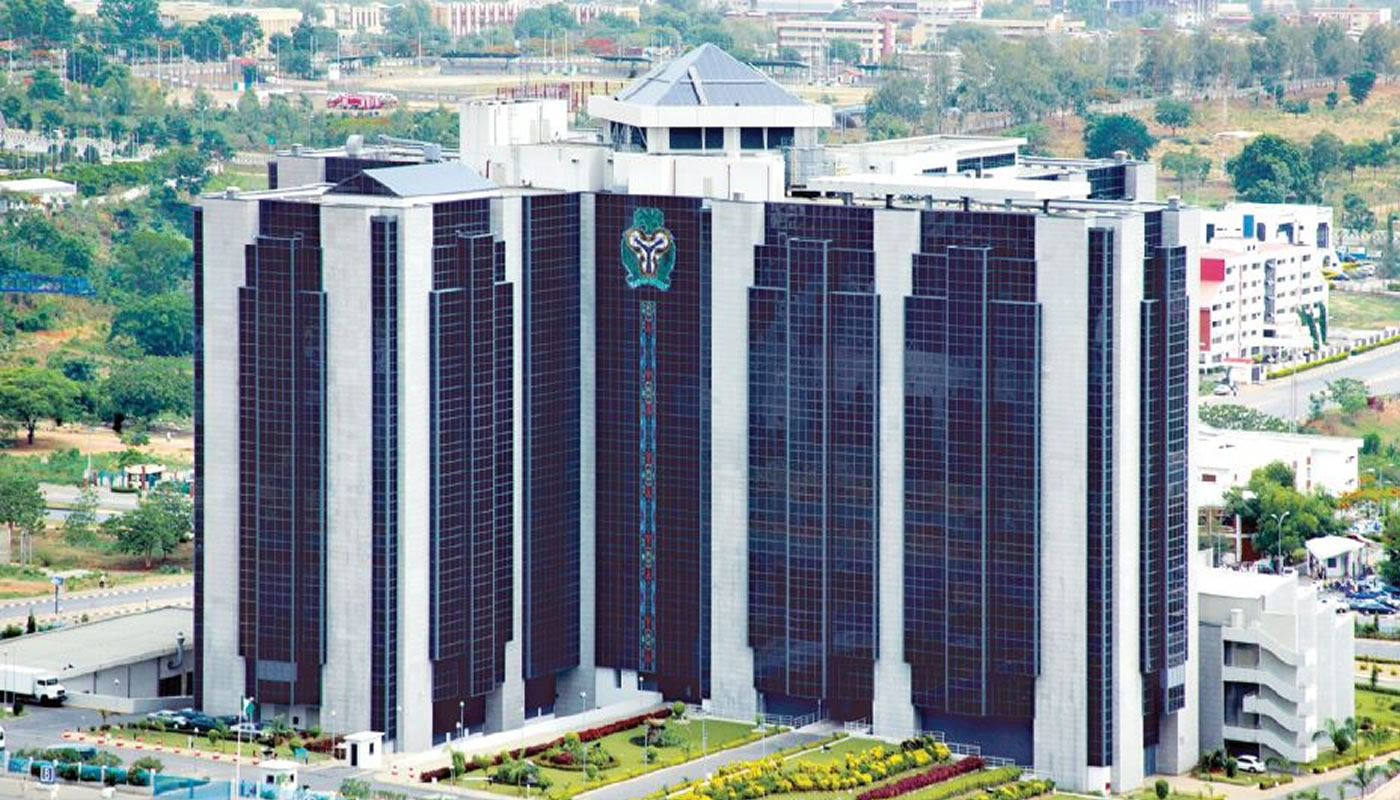
Nigerian banks are facing a fresh wave of financial stress as non-performing loans (NPLs) have risen significantly following the Central Bank of Nigeria’s (CBN) decision to withdraw regulatory forbearance measures that had previously shielded lenders from fully disclosing the true scale of their loan losses.
The forbearance policy, introduced during periods of economic turbulence, had allowed banks to restructure distressed loans and delay provisioning requirements. With its removal, financial institutions are now compelled to reflect the actual quality of their loan books, exposing a troubling rise in bad debts across the sector.
Industry analysts warn that the spike in NPLs could put pressure on banks’ capital adequacy ratios, reduce profitability, and tighten credit availability for businesses and individuals already struggling in Nigeria’s challenging economic environment.
Smaller and mid-tier banks are reported to be among the most exposed, though larger institutions are equally under scrutiny as regulators demand full compliance with prudential guidelines.
The CBN has maintained that ending forbearance is a necessary step toward restoring transparency, discipline, and long-term stability to Nigeria’s banking sector.
“A healthy financial system must reflect reality. Forbearance was always a temporary measure,” a financial analyst noted.
Stakeholders are now calling on banks to accelerate loan recovery efforts and strengthen their credit risk management frameworks to navigate the post-forbearance landscape.
All rights reserved ©2026 CDA News Nigeria.
Contact: info@cdanews.ng | 348 Ikwerre Road, Port Harcourt, Rivers State
Privacy Policy: Personal data is never shared with third parties without explicit consent.