A fierce and consequential power struggle is unfolding within Nigeria’s National Assembly as the Senate has moved decisively to block former governors — including Imo State Governor Hope Uzodimma — from occupying principal officer positions in the incoming 11th National Assembly, in a dramatic development that has set the stage for one of the most bitterly contested legislative leadership battles in recent Nigerian parliamentary history.
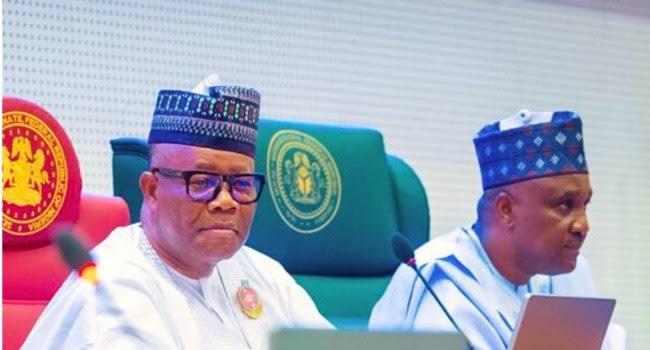
The Senate’s blocking move, which has caught several high-profile former governors and their political backers off guard, is rooted in a growing consensus among sitting senators that the principal offices of the National Assembly — including the Senate President, Deputy Senate President, and other leadership positions — should be reserved for career legislators with deep parliamentary experience, rather than handed to former state executives who are relatively new to the federal legislative environment.
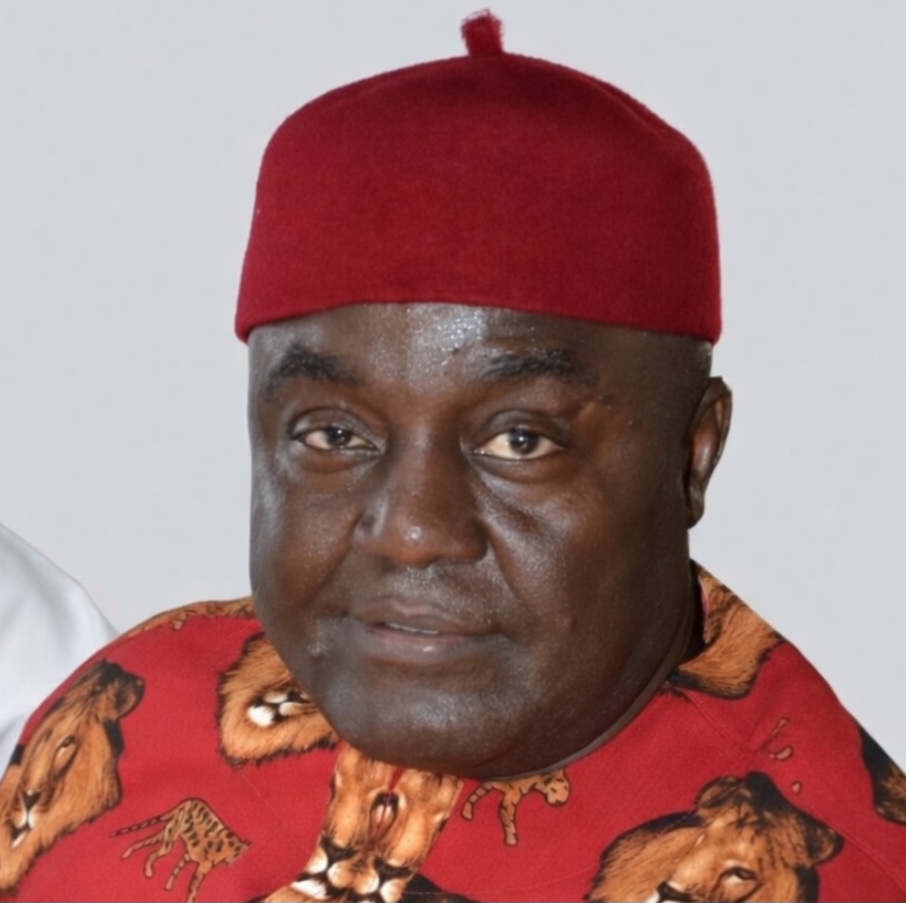
Imo State Governor Hope Uzodimma, who has been widely reported to have strong ambitions for a principal officer position upon his expected transition to the Senate, finds himself at the centre of the controversy — with a significant bloc of senators said to be firmly opposed to his emergence in any leadership role, citing concerns about the concentration of political power and the need to preserve the independence and institutional integrity of the National Assembly from executive branch influence.
The blocking move also targets other former governors believed to be positioning themselves for principal offices — sending a clear and unambiguous message that the Senate’s existing membership intends to assert its authority over the leadership selection process and resist what many legislators describe as an attempted takeover of legislative leadership by powerful former executives with enormous financial and political resources at their disposal.
Supporters of the former governors have pushed back forcefully, arguing that there is no constitutional or precedential basis for excluding any duly elected senator from contesting principal officer positions — and accusing the blocking faction of engaging in political discrimination and anti-democratic maneuvering driven by personal and factional interests rather than the public good.
The standoff is expected to intensify significantly as the inauguration of the 11th National Assembly draws closer, with intense lobbying, alliance-building, and behind-the-scenes negotiations already underway among senators and their political backers across all geopolitical zones.
Political analysts warn that the outcome of this leadership battle will have far-reaching implications for the balance of power between the executive and legislative branches of the Nigerian government — and for the ability of the 11th National Assembly to function as a genuinely independent and effective arm of government.
CDA News Nigeria will provide comprehensive coverage of this developing legislative power struggle as events unfold.
All rights reserved ©2026 CDA News Nigeria.
For news tips or inquiries, contact us at info@cdanews.ng or visit our headquarters at 348 Ikwerre Road, Port Harcourt, Rivers State.