
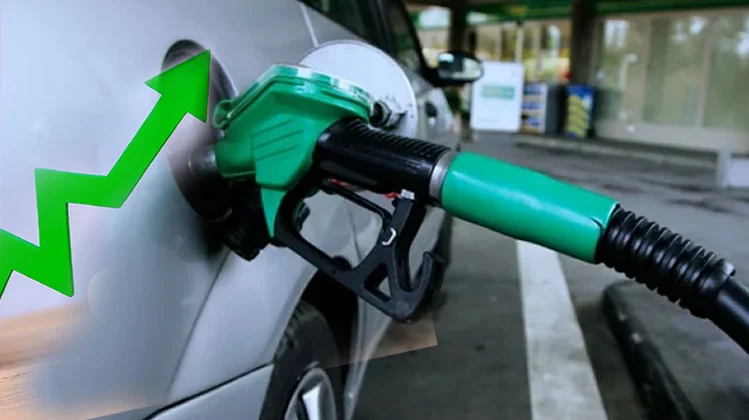
LAGOS, NIGERIA — The Federal Government’s decision to suspend the issuance of petrol import licences has sharply divided petroleum marketers, coming on the heels of another price hike by the Dangote Petroleum Refinery, which has raised its ex-depot price to N1,175 per litre.
The Nigerian Midstream and Downstream Petroleum Regulatory Authority (NMDPRA) confirmed it has issued no new import licences for Premium Motor Spirit (PMS) in February and March 2026, citing sufficient local production from the Dangote Refinery, which supplied an average of 36.5 million litres daily in February.
The regulator stated it would only license imports when domestic supply falls short.
However, the policy shift has ignited fierce debate across the downstream sector. While some stakeholders applaud the move toward energy independence, others warn it could create a monopoly and expose the market to price volatility.
Supporters Welcome Local Production
Industry analysts who support the decision argue that the Dangote Refinery deserves encouragement to sustain domestic refining. Dr. Marcel Okeke, an energy analyst, welcomed the NMDPRA’s move, stating that ending imports would reduce pressure on the naira and foreign exchange reserves.
The Crude Oil Refiners Association of Nigeria (CORAN) also backed the suspension. Its spokesperson, Eche Idoko, said: “For us, anything that protects local production is a good move. The challenge now is to sustain the momentum”.
Critics Fear Monopoly, Supply Risks
However, a major marketer who spoke anonymously faulted the regulator’s decision, questioning the figures published by NMDPRA. “Go and look at that report, it will tell you how much Dangote put into the market in February. I believe it went down from January to 36m litres per day… The regulator needs to explain this. It is not fair to Nigeria,” the source said.
Energy economist Prof. Wumi Iledare noted that while the policy signals a significant shift, it could trigger market speculation. In a transitioning market, participants may interpret regulatory signals differently, leading to strategic positioning and, in some cases, scrambling for market power.
The Petroleum Products Retail Outlets Owners Association of Nigeria (PETROAN) had earlier raised alarms about Dangote’s potential to dominate the downstream sector, warning that the company might leverage its market power to fix prices and limit competition.
Price Volatility Persists
The debate intensified after Dangote Refinery restored its petrol price to N1,175 per litre on March 12, 2026, reversing a brief N100 reduction implemented just days earlier.
The refinery attributed the hike to rising global crude prices, which have climbed to about $100 per barrel amid Middle East tensions.
Following the adjustment, depot operators across several fuel distribution hubs temporarily suspended sales to reassess pricing strategies.
Despite the NNPC reducing its pump price to N1,165 per litre in Abuja, many independent marketers continue to sell at rates between N1,200 and N1,300, citing old stock purchased at higher prices.
The development marks a critical turning point for Nigeria’s downstream sector as the country attempts to end decades of reliance on imported fuel.
Disclaimer: This material and other digital content on this website maybe reproduced, published, broadcast, rewritten, or redistributed in whole or in part without the prior express written permission of CDA News Nigeria. All rights reserved. © 2026 CDA News Nigeria. | Privacy Policy | Contact Us
Privacy Policy: CDA News Nigeria is committed to protecting your privacy. We collect and use personal information solely for delivering news updates and improving your experience. Your data is never shared with third parties without explicit consent. For full details, visit our website.
Contact: For news tips, inquiries, or feedback, contact CDA News Nigeria at info@cdanews.ng or visit our headquarters in Port Harcourt, Rivers State.