
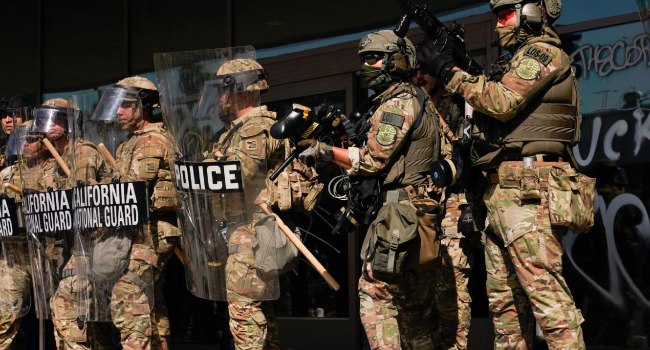
The United States Government has announced plans to withdraw approximately 5,000 military troops from Germany in a significant and geopolitically consequential shift in American military posture in Europe — a move that has immediately triggered alarm, concern, and urgent consultations among NATO allies and European security partners who view the continued robust presence of American forces on the continent as a critical pillar of the transatlantic security architecture.
The planned withdrawal, which represents one of the most substantial reductions in the US military footprint in Germany in recent decades, comes against a backdrop of growing tensions within the NATO alliance over the contentious issue of burden-sharing — with the Trump administration having consistently and forcefully argued that European nations, particularly Germany, have for too long relied on American military protection without contributing their fair and proportionate share of defence spending and resources to the collective security of the alliance.
Germany, which hosts one of the largest concentrations of US military personnel and infrastructure in Europe — including the strategically vital Ramstein Air Base and Landstuhl Regional Medical Center — has historically been at the centre of the burden-sharing debate, with Washington repeatedly pressing Berlin to accelerate its path toward meeting the NATO defence spending target of two percent of GDP, a benchmark that Germany has only recently begun to approach following years of sustained American pressure.
The announcement has sent a wave of concern through European capitals, with leaders from France, Poland, the Baltic states, and other NATO members expressing serious alarm about the implications of a reduced American military presence in Germany for the overall deterrence posture of the alliance — particularly at a time when Russia’s war in Ukraine continues to pose a direct and ongoing threat to European security and territorial integrity.
German government officials have reportedly been caught off guard by the scale and timing of the announcement, with Berlin understood to be engaged in urgent diplomatic communications with Washington to seek clarification on the timeline, scope, and strategic rationale behind the planned troop reduction — and to explore what compensatory measures, if any, the United States intends to put in place to maintain the credibility of its security commitments to its European allies.
Military analysts and foreign policy experts have warned that even a partial withdrawal of this magnitude carries significant strategic risks — potentially emboldening Russia, undermining European confidence in American security guarantees, disrupting decades of carefully built interoperability between US and European military forces, and sending a dangerous signal of weakening American commitment to the rules-based international order that NATO was established to defend.
Supporters of the withdrawal within the United States argue, however, that the move is both fiscally responsible and strategically sound — compelling European allies to take greater ownership of their own defence and accelerating the long-overdue process of European strategic autonomy that leaders across the continent have been discussing for years without sufficient action.
The planned troop withdrawal is expected to dominate the agenda at upcoming NATO ministerial meetings and bilateral diplomatic engagements between Washington and its European partners in the weeks and months ahead.
CDA News Nigeria will continue to monitor and report all developments in this high-stakes geopolitical story and its implications for global security and Nigeria’s international relationships.
All rights reserved ©2026 CDA News Nigeria.
For news tips or inquiries, contact us at info@cdanews.ng or visit our headquarters at 348 Ikwerre Road, Port Harcourt, Rivers State. CDA News Nigeria is committed to protecting your privacy — your data is never shared with third parties without explicit consent.